
COOKING MASTERCLASS: AN ENTIRELY ITALIAN EXPERIENCE
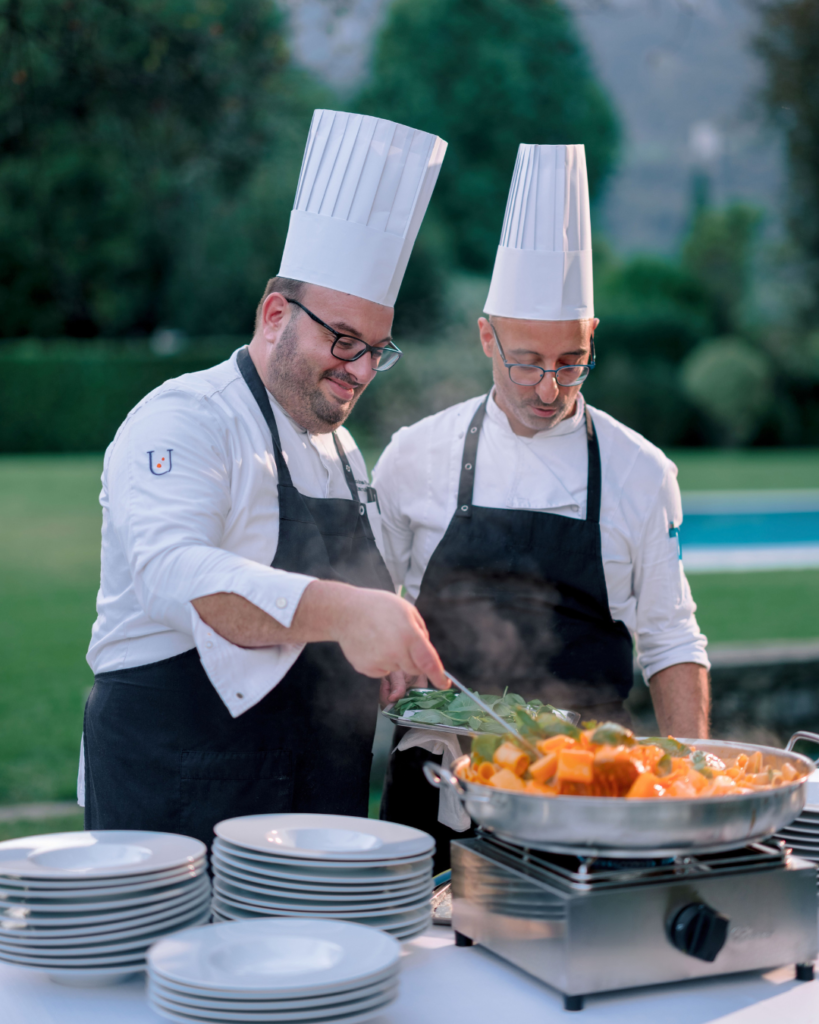
Why an Italian cooking masterclass Italian cuisine stands out for its apparent simplicity and extraordinary results: a few quality ingredients, worked in the right way. Yet this simplicity conceals precise techniques and delicate balances that are best understood by doing. During a masterclass, concrete details emerge that change the outcome: the right consistency of a dough, the perfect moment of a risotto, temperature management, the balance between acidity and fat in a dressing. These are practical skills, not abstract notions. And the convivial aspect amplifies the value: cooking together creates connections, turns a group into a small brigade and makes the final meal a true celebration of what has been built together. Possible formats, without rigidity Masterclasses adapt well to different schedules and interests. Single themed session (3–4 hours): focused on a specific topic such as fresh pasta, risottos, Neapolitan pizza or regional desserts. The format allows for an in-depth exploration of techniques and variations without losing focus. Half-day experience: half a day dedicated to preparing a complete menu, which is then enjoyed together. The pace is more relaxed, with room for questions and deeper discussion. Multi-session programmes: for those who want to go further, with dedicated sessions on starters and leavened breads, first courses, proteins and sides, desserts. This allows you to build a broad repertoire and consolidate techniques through repetition. Regional specialities: a journey through Italy Italian cuisine is a mosaic of traditions. A masterclass can focus on a single region or build an itinerary across the peninsula, always keeping a logical thread between technique and result. Fresh pasta, from north to south. Shapes, thickness and sauces all vary: Emilian tagliatelle rolled with a pin, Apulian orecchiette made with semolina, delicate filled ravioli, light gnocchi shaped with quick and precise gestures. This is where the fundamentals are learned: when a dough is ready, how to roll it without overworking it, how to seal and cook it correctly. Risotto: technique and variations. One of the most loved and most misunderstood dishes. The masterclass works on toasting, hot stock and gradual addition, through to the final mantecatura that gives creaminess without turning into glue. You learn the differences between rice varieties and timings, and apply the base to variations such as saffron, radicchio, mushrooms or seafood-inspired versions. Neapolitan pizza: the art of leavening. Proportions, timing and temperature matter as much as manual skill. The focus is on the dough, managing the proving process, hand-stretching and high-temperature baking, with practical guidance on achieving credible results even with a home oven. Regional desserts: spoon desserts, pastries, leavened treats. From tiramisù to creams, through to lesser-known pastries and quick but flavourful leavened products: typical mistakes differ, and so does the way you monitor the preparation. The masterclass helps you understand where the game is played: textures, whipped elements, baking and sweetness balance. What you really learn beyond the recipes A well-structured masterclass doesn’t just deliver dishes but it builds transferable skills that change the way you cook. In particular: foundational techniques such as cutting, searing, emulsifying, reducing; organisation and timing so what to prepare first, what runs in parallel, how to orchestrate multiple cooking processes; do it yourself, taking away the essential knowledge to replicate Italy’s iconic recipes at home. Masterclasses for groups: team building and special occasions The format lends itself well to shared experiences because it calls for coordination and collaboration, yet within a pleasant and informal setting. It works as a team building activity, as an original alternative for celebrations and anniversaries, or as an experience suited to mixed groups across ages and skill levels, with recipes and pace adjusted accordingly. Beyond technique: the story of cooking A quality masterclass is not just execution, it is also cultural storytelling: why a dish originates in a particular region, how it has evolved, which variations make sense and which betray the original recipe. When a chef can explain the why behind a gesture – a temperature, a timing, an order of steps – understanding goes deeper, and Italian cuisine stops being a list of recipes: it becomes a method. A cooking masterclass dedicated to Italian cuisine brings together hands-on learning, cultural discovery and conviviality. With your hands in the dough, quite literally, you learn gestures and flavours that no book or video can convey in quite the same way. And at the end, sitting at the table in front of what you have prepared together, the food tastes different: it carries the flavour of genuine sharing.
STORY OF A WEDDING MADE BY SPUMA
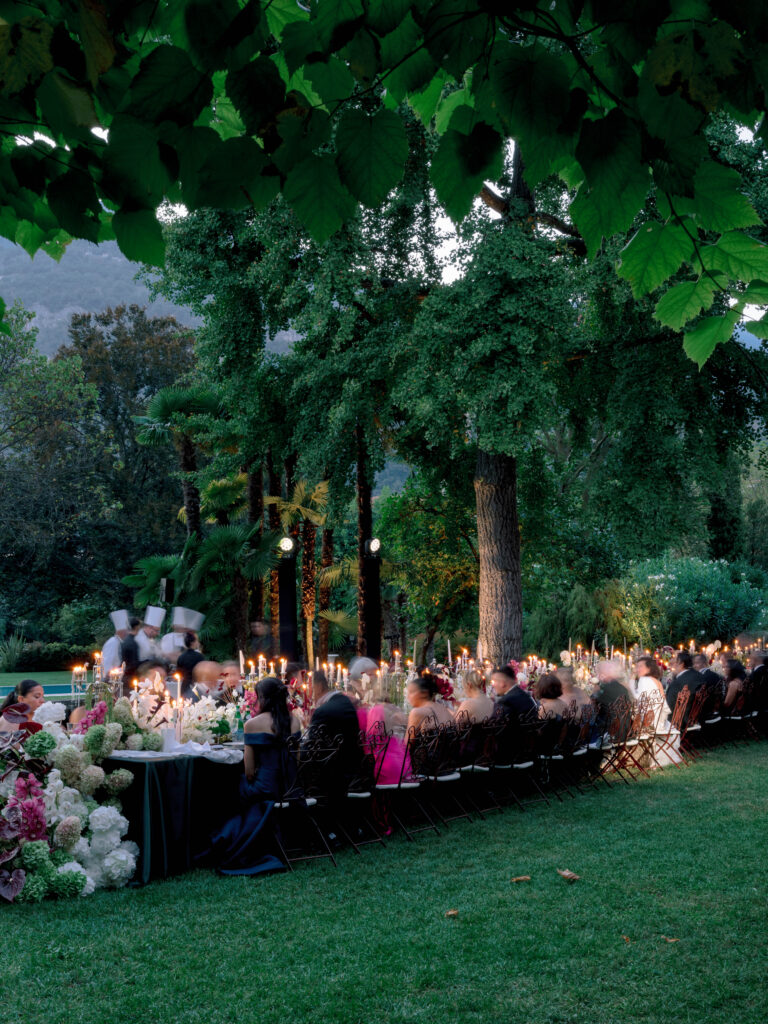
The meeting: understanding before proposing Everything begins before the menu. The first step is a real dialogue: tastes, expectations, event style, timing, small “musts” that must be respected and what instead can be built together. It’s in this phase that food & beverage become a project, not a list of courses. The approach is simple: listening, proposal, refinement. Personalization is not a claim: it’s the natural consequence of an operational synergy between those who organize and those who live the event, with a clear objective – creating dishes and cocktails consistent with the couple’s desires and identity. The aperitif: the first taste of what’s to come The aperitif is the narrative opening: it must welcome, put at ease, immediately convey the level of the experience. Two levers come into play here: immediacy (readable flavors, clean execution) and detail (presentation, service rhythm, small iconic stations). Among the solutions that work best in a wedding context are curated finger food and dedicated corners, like a caviar corner inserted naturally into the welcome flow. When the concept allows it, the raw material also becomes gesture: a typical example is raw fish enhanced with express service and striking scenography (ice, cut on the spot). It’s that type of choice that communicates “freshness and innovation” without the need for superstructures. The reception: the heart of the experience Dinner is where everything must hold: taste, timing, energy in the room. The method here is rigor and fluidity together, which passes through precise service, natural transitions between moments, attention to guest comfort. And finally the beverage component doesn’t just accompany, it gives rhythm, prepares the party and sustains the evening until late. The typical story of a Spuma reception includes a clear progression: from aperitif to dinner, to the cake moment and the party, with cocktails built for the occasion. In some weddings, the passage “from cake to party” is amplified by a scenographic moment, which becomes the emotional threshold of the evening and opens to the bar, which enters its full role with drinks consistent with the food element and constant service. When the event requires complete direction, the banqueting extends with the same “end-to-end” care: aperitif, dinner, cake and also the possible late-night final moment, with a curated wine selection and a mise en place that sometimes dialogues with the space without overpowering it, other times becomes the protagonist with a nod to design elements. Iconic locations, different stories The interesting point is that the method holds up on different scales. It can be an intimate wedding, with few guests and an intimate imprint, or a larger celebration, where mixology becomes a service infrastructure: drink lists designed ad hoc to reflect the couple’s style and tastes, dedicated teams, sustained rhythms. When the scenario is truly “iconic” and complexity rises, the operational structure adapts: selection and coordination of large teams to guarantee a high-level cocktail experience on large numbers, without losing perceived quality. A “Spuma wedding” is a journey built with method: understanding before proposing, opening with an aperitif that defines the style, sustaining the dinner with service and rhythm, and closing with a party supported by mixology designed to measure, from beginning to end.
CATERING AND MIXOLOGY IN COMO FOR INTERNATIONAL GUESTS: WHAT REALLY MATTERS
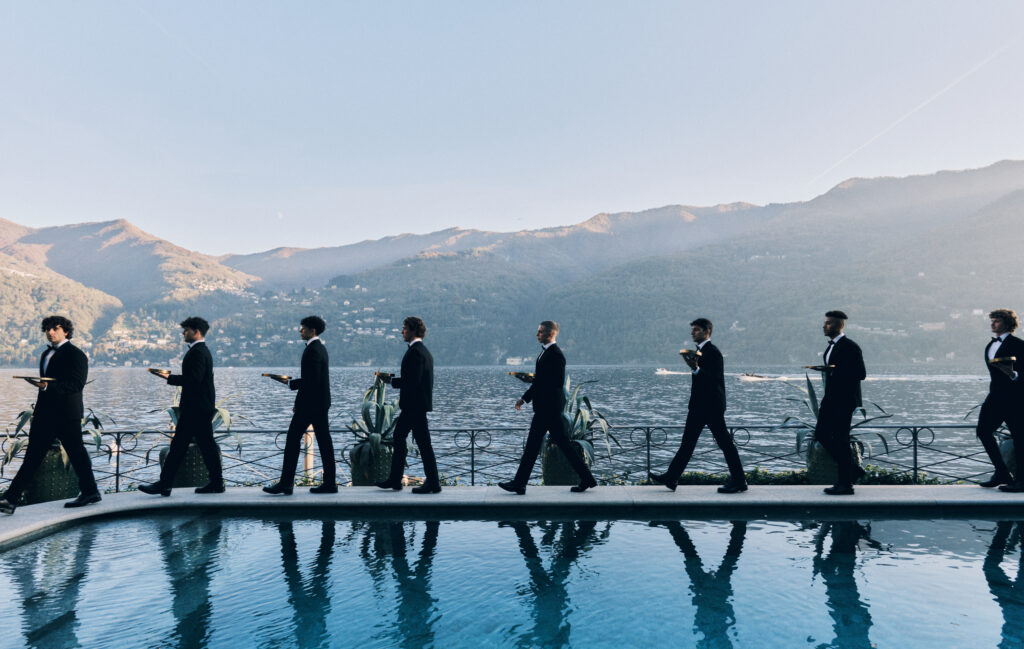
What guests coming from afar really expect Those who choose Como for an event seek credible Italian cuisine and service capable of reading different needs. Translating a menu is not enough: you need to build an understandable, curated, and coherent experience, where ingredients and preparations are enhanced also in the way they are described and served. The most frequent requests fall into three areas: Understanding and trust: knowing what you’re eating and drinking, with simple and precise explanations (ingredients, style, allergens). Well-managed dietary needs: vegetarian/vegan, halal requests, gluten-free or other restrictions integrated into the project, not added at the last minute. Fluid communication in English: from the first call to on-site direction, because organizing from a distance requires clarity and speed in decisions. Menu: italian authenticity made “accessible” Building a menu for international guests requires cultural sensitivity and gastronomic competence. The most common mistake is to polarize: either staying on proposals that are too “niche,” or slipping toward generic cuisine that loses identity. The best way is to select Italian preparations that speak to different palates, keeping technique and raw materials at the center, with presentation that helps understand them. In practice, menus built on clear pillars with seasonal variants work well: Fresh pasta (tagliatelle, ravioli, gnocchi) with appealing and well-executed sauces, from classic to more delicate versions. Risottos (saffron, porcini, seasonal vegetables): “iconic” dishes when the technique is explained and the consistency is perfect. Recognizable and well-calibrated main courses: meats and fish treated with precision, with seasonal sides that lighten and give rhythm. Italian appetizers: selection of cured meats and cheeses with bread, honeys and preserves, presented with order and care. Inclusivity is designed from the start. Vegetarian and vegan options must be conceived with the same dignity as the others: deconstructed eggplant parmigiana, beet tartare with sour cream and sprouts, and basil risotto with tomato air can be main courses, not alternatives. For more specific needs (halal, kosher, severe celiac disease), the difference is made by method: suitable ingredients, separate processes, and careful contamination management. Mixology: the cocktail as cultural bridge For high-level events, mixology is not an extra: it’s often the first contact with the experience and the most immediate way to give “tone” to the welcome. A well-crafted cocktail communicates quality in a universal language, and allows you to tell the story of the territory without making it distant. Personalized signature cocktails are often the most distinctive option: creations that integrate ingredients and aromatic profiles consistent with season and location (citrus, herbs, Italian spirits), with curated presentation and punctual service. Alongside this, Italian classics like Spritz, Negroni, Bellini work very well when executed with superior ingredients and calibrated proportions: familiar, but clearly “high-level.” And today a structured non-alcoholic offering is essential: mocktails built with botanicals, infusions, kombucha or shrub allow you to offer complexity and depth without alcohol, maintaining the social ritual of the toast. The value increases when the bar is not just service but a living point of the event: on-the-spot preparation, discreet interaction, continuous rhythm without lines or gaps. Service and logistics in villa: what must not be seen but must work Impeccable catering is also measured by what remains invisible: timing, discretion, and ability to manage unexpected situations without guests perceiving friction. In contexts like historic villas or lakeside locations, the complexity is real: kitchens not always sized for events, architectural constraints, particular access points, magnificent outdoor spaces but variable weather. An experienced team works with clear procedures: site visit, technical areas layout, service flows, plan B defined beforehand (not improvised). When operational supports are needed, they’re managed in a sober and integrated way, so the location’s aesthetics remain the protagonist. The direction of timing is equally decisive, especially if the day includes multiple moments (welcome, aperitif, dinner, after party). Each transition must be natural: setup and breakdown “behind the scenes,” staff present but never intrusive, flexibility on rhythm when last-minute variations emerge. Budget and Transparency: building trust from a distance When organization happens remotely, trust is born from readable estimates and unambiguous communication. Proposals that immediately clarify work better: cost per person and what’s included, any extras (bar, additional staff, equipment, mise en place), payment methods and modification/cancellation conditions. Quality doesn’t depend only on the ingredient range, but on the solidity of service. Even at different budgets, what should remain constant is professionalism: method, timing, care, and ability to manage complexity. In short, a catering and mixology service on Lake Como designed for international guests works when it combines authentic Italian cuisine, rigorous management of dietary needs, high-level mixology, and impeccable logistics direction in complex locations. It’s this balance between excellence and accessibility, between aesthetics and method that transforms a beautiful context into a truly memorable event.
PRIVATE CHEF ON LAKE COMO: HOW IT WORKS AND WHAT TO KNOW FOR A TAILORED EXPERIENCE

When it makes sense to choose a private chef The service works particularly well when you want convenience without sacrificing attention to detail. It’s ideal during villa stays or in high-end apartments, especially for intimate celebrations like anniversaries, birthdays, or marriage proposals, but also for groups that prefer a private setting without distractions. It’s also a very effective choice when specific dietary needs are present, because the menu is built around the guests’ real requirements and not through “compromise” adaptations. These typically include: multiple allergies and intolerances vegan or vegetarian diets requests like kosher or gluten-free, when handled with method and care Additionally, the private chef is particularly useful when the group has non-standard rhythms, for example families with children, guests of different ages, or flexible timing: the service adapts to the day, not the other way around. How the service works, in practice It starts with a quick but precise briefing: number of guests, date and location, style of experience (more formal or more informal), preferences and any dietary exclusions, reference budget. Based on this, the chef proposes a personalized menu that is refined together until the final version. When needed, the location’s kitchen is verified to understand what’s already available and what needs to be brought. At that point the chef manages the shopping and preparations, combining work done in advance with on-site cooking and finishing to maximize freshness and control of the result. On the day of the experience, the chef cooks and serves according to the agreed schedule and, at the end of service, tidies the kitchen leaving the spaces in order. What’s included and what to clarify right away Generally a standard service includes menu design, purchase of raw materials, preparation and cooking, service, and final kitchen cleanup. Some elements, however, need to be defined in the estimate because they depend on the request and location: any additional staff, equipment rental if the kitchen is poorly equipped, mise en place and beverage management such as wine selection, non-alcoholic pairing, or cocktails. The rule is simple: what affects materials, time, and quantity must be clarified beforehand. Menu and styles: territory, Italy, international On Lake Como the offering can move across different registers while maintaining consistency and quality. There are those who want cuisine tied to the territory with local ingredients and contemporary reinterpretations; those who prefer a more fine dining approach, with structured courses and attention to aesthetics; and those who request international or fusion cuisine, often appreciated by international groups or those who want to vary from Italian tradition. In all cases, the value lies in a menu balanced with respect to season, context, and rhythm of the day on one hand; on the other, the fruit of dialogue with those handling the catering generates a unique and personalized result. Budget: what really affects the price The cost varies mainly based on number of guests, menu complexity, quality of raw materials, and duration of service. Indicatively, a complete menu with good quality ingredients can start from more approachable figures and rise based on the requested customization when the number of courses, techniques, premium ingredients, and service level increase. The best way to stay in control is to declare the budget from the first contact: a serious professional knows how to build a balanced experience without emptying the proposal. What to prepare before the chef’s arrival Verify that stovetop, oven, and refrigerator work properly. Clear counters and work surfaces. Check plates, cutlery, and glasses in adequate quantity (including wine glasses if pairing is planned). Communicate access times and service start, plus any codes, gates, or parking directions. Update immediately on guest changes, allergies, or timing. Masterclass and Cooking Class: the interactive version Alongside the traditional dinner, many chefs offer cooking classes and masterclasses where guests participate in preparing some guided recipes—such as fresh pasta, risottos, basic techniques. It’s a format suited to groups of friends and families: you learn by doing and then share what has been prepared, with a higher level of involvement but always managed with order. Lake Como as an ingredient Knowledge of the territory often makes the difference: those who work regularly on the lake know markets, producers, and seasonal availability and can transform the menu into a concrete narrative of the place. When cuisine and context go in the same direction, the experience is more authentic and memorable. In summary: a private chef on Lake Como is the right choice when seeking quality, privacy, and real personalization. With a clear briefing and the right professional, all that remains is to sit down and enjoy the experience.
WEDDING IN A VILLA ON LAKE COMO: CELEBRATING LOVE BETWEEN HISTORY AND LAKE LIGHT
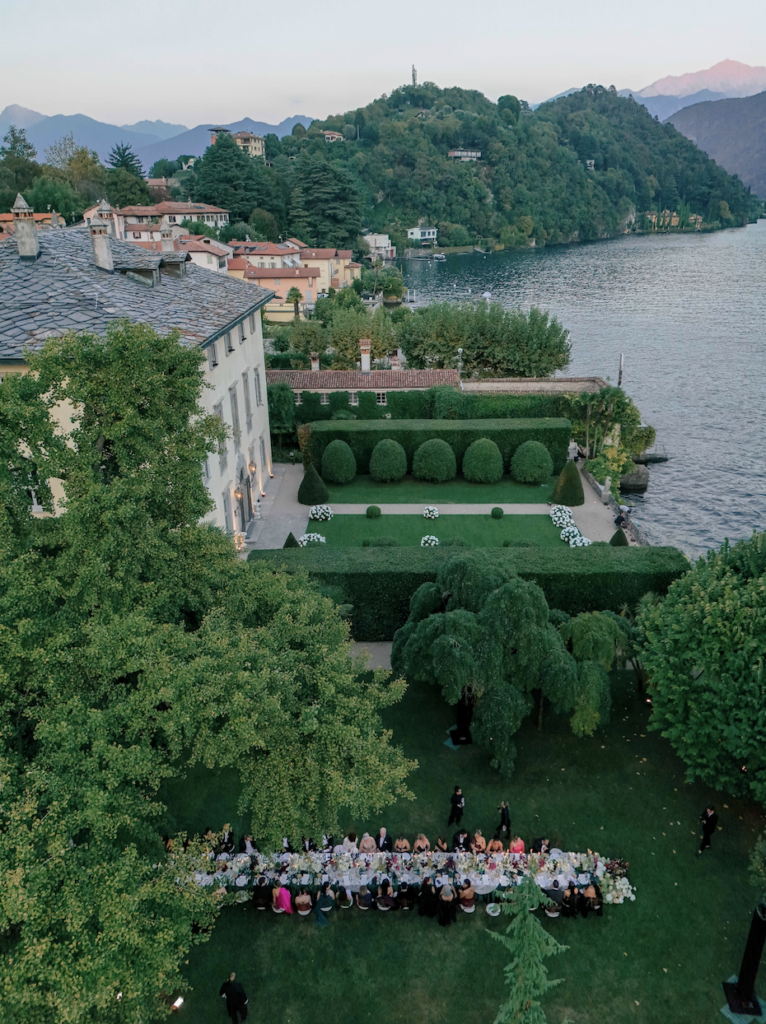
Why choose a villa on Lake Como The most evident advantage of a wedding on Lake Como is the orchestration of spaces: indoor and outdoor environments allow for a natural rhythm to the day, flowing smoothly from ceremony and aperitif through to dinner and party. This variety helps build a “scene-by-scene” journey, without forcing. Privacy is another substantial difference: many villas guarantee exclusive use, avoiding overlaps and preserving the feeling that everything is designed around the couple. Finally, there’s the lake factor: not a backdrop, but an element that enters the event’s narrative: arrivals by boat, photographs by the water, sunset light and evening breeze accompanying toasts and music. Catering and Banqueting: taste as part of the scenography In a historic villa, wedding catering is not “just service”: it’s the lever that unites aesthetics, timing, and atmosphere. An aperitif designed for gardens and terraces (passed service, light stations, small themed corners) enhances spaces without weighing them down. Dinner can be more classic in the salons or more contemporary with essential mise en place that lets the architecture speak. The difference is made by the villa banqueting experience: access points, on-site kitchens (or their absence), transport, respect for historic surfaces, and weather plan management. On the gastronomic level, many couples choose a mix between international elegance and territorial references—such as Lombard raw materials, local wines, vegetarian alternatives and intolerance management, closing with dessert stations and late night snacks to accompany the party. The Excellent Villas: a heritage to discover Villa Balbiano: renaissance magnificence Villa Balbiano, overlooking the waters of Ossuccio, combines great architectural impact with a feeling of refined hospitality. The frescoed interiors and impressive salons lend themselves to a high-level villa reception, while the lakeside gardens work perfectly for scenic aperitifs. The private descent to the lake adds a rare plus, ideal for boat arrivals and exclusive photographic moments. Villa del Balbianello: the dream promontory The position of Villa del Balbianello, on the promontory of Lenno, is an integral part of the experience: the arrival via lake makes the entrance memorable and naturally “cinematic.” The terraced gardens and loggia are perfect for ceremony and sunset aperitif, with 360-degree views. It’s particularly suited to more intimate weddings, where the spectacular context replaces redundant decorations. Villa del Grumello: intimacy and charm Villa del Grumello offers a more intimate dimension, with a romantic park rich in quiet corners and a suggestive view of Como and the lake’s first basin. The interiors favor conviviality and conversation, making it ideal for elegant but not staged celebrations, where the guest feels part of the moment and not a mere spectator. Villa Parravicino Sossnovsky: neoclassical elegance In a characteristic area of Lombardy, Villa Parravicino Sossnovsky combines neoclassical rigor and openness to the outdoors. The reception rooms lend themselves to a formal dinner, while the terraces allow for a more relaxed aperitif. The Italian garden, orderly and luminous, is perfect for symbolic ceremony and photo service. Villa Revel Parravicini: discreet refinement More secluded compared to the better-known estates, Villa Revel Parravicini focuses on measured elegance and almost total privacy. The spaces, restored with respect, allow for distributing moments across multiple levels: ceremony, aperitif, dinner, and cake cutting can each have their own area without creating overlaps. Ideal for those seeking authenticity and understated luxury. Villa Carminati Resta: tradition and hospitality Villa Carminati Resta combines historic charm and “homey” warmth, with spaces that facilitate natural flows and a portico useful even in case of uncertain weather. The close relationship with the lake adds a more relaxed dimension, especially appreciated in weddings that extend over multiple days or include informal moments with guests. Organizing the Villa Wedding: practical aspects Timing and Reservations The most requested villas must be booked in advance (often 12–18 months, especially between May and October). The initial site visit is decisive for understanding real capacities, constraints, and the day’s flow, avoiding “purely aesthetic” choices. Logistics and suppliers Each estate has specific rules and limits: vehicle access, technical areas, spaces for setups, and kitchen equipment. For this reason, it’s strategic to choose catering accustomed to receptions in historic villas: time management, impeccable service even with complex layouts, respect for architectural constraints, and coordination with music, lights, and mise en place. Climate and seasons Spring and early summer offer gardens in full bloom; autumn gives colors and softer light but requires a solid weather plan. Porticos, interior rooms, and elegant tent structures should be considered as parallel solutions, not as fallbacks. Bureaucratic aspects Many villas host symbolic ceremonies; for civil ceremonies with legal validity, one relies on municipalities and authorized venues. A local wedding planner can simplify paperwork and coordination, especially for foreign couples. The Complete Experience: beyond the reception Pre and post-wedding events The context lends itself to the weekend wedding: welcome dinner the evening before and brunch or boat tour the day after help experience the lake without the pressure of “only the big day,” transforming the celebration into a small shared vacation. Guest hospitality Between historic hotels, B&Bs, and lakefront apartments, the options are ample. An information pack with directions on transportation, restaurants, and activities makes the experience simpler and more curated, especially for those arriving from outside. Experiences in the territory Boat tours, tastings, villages, and panoramic trails allow guests to connect the wedding to a broader memory of the territory. Some couples organize optional activities to create moments of connection between different groups, without weighing down the official program. In a villa on Lake Como, in short, every detail finds its place: historic settings, privacy, and catering up to par transform the reception into a harmonious and memorable experience. With the right planning, only one thing remains to be done: live it.
ORGANIZING AN EXCEPTIONAL EVENT ON LAKE COMO: BETWEEN AUTHENTICITY AND ATTENTION TO DETAIL
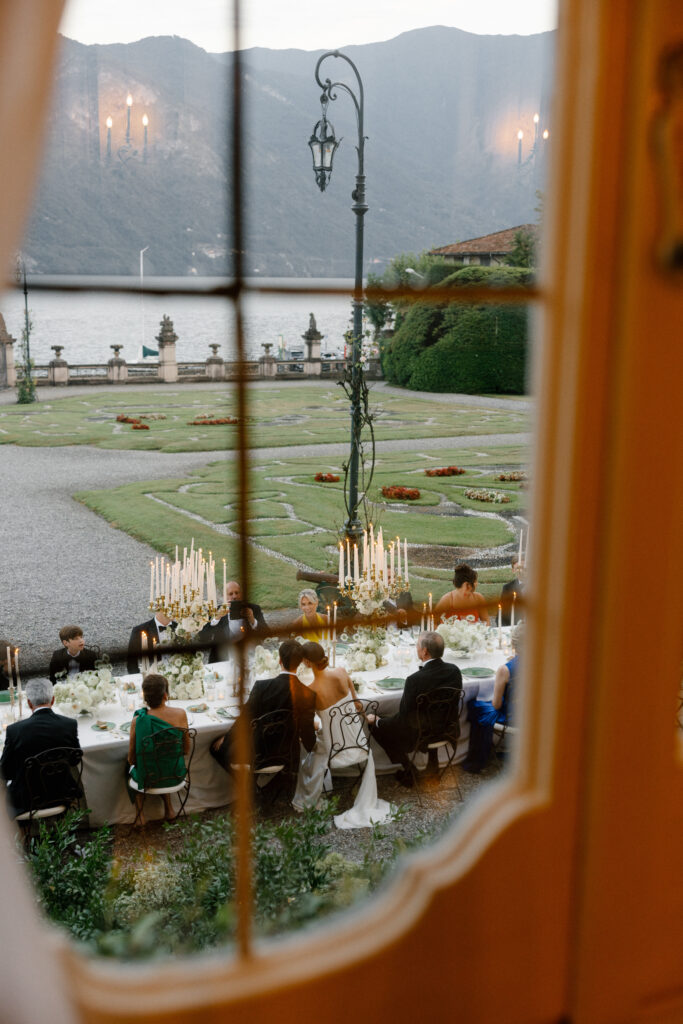
The territory as the foundation of experience When you choose Lake Como, you are not simply booking a venue, you are accessing a heritage made of landscape, culture and artisanal mastery that has crossed centuries without losing its identity. The mountains plunging into the water, the villages climbing the hills, the historic villas guarding architectural treasures: everything here speaks of a natural balance between man and environment that has been built slowly, with patience and respect. It is this balance that makes the Lake Como territory so special, not spectacle for its own sake but the authentic harmony between elements. For those organizing corporate events, international weddings or private celebrations, understanding this dimension means having access to a level of quality not found everywhere. It is not about displaying magnificence, but offering an experience rooted in something real, where every detail has a reason for being and a story to tell. Historic villas: guardians of excellence The residences dotting the lake shores represent much more than event spaces. They are witnesses to different eras, each with its own architecture, its own gardens designed by master landscapers, its own frescoes and furnishings that dialogue with the present without losing their soul. Choosing a historic villa on Lake Como means entrusting yourself to places that have been able to preserve their authenticity through the centuries. The spaces have not been distorted to chase passing trends, but restored with respect for original techniques, maintaining that patina of time that no modern construction can replicate. Each villa has its own character: some face directly onto the water with private docks and terraced gardens, others hide among greenery offering collected intimacy, still others dominate the landscape from breathtaking panoramic positions. The choice depends on the atmosphere you want to create, but all share an essential quality: the authenticity of spaces and meticulous care in their preservation. For corporate events wishing to impress international clients or private celebrations seeking a meaningful context, these residences offer something priceless: the possibility of experiencing places that have made history, where the past naturally dialogues with the present without artifice. Seasonality as a master of excellence The Lake Como territory lives to the rhythm of the seasons in a still very tangible way. This characteristic, far from being a limitation, represents an extraordinary opportunity for those seeking authenticity in events. Spring explodes in historic gardens with spectacular blooms: azaleas, camellias, wisteria covering century-old pergolas. It is the moment when the landscape awakens and offers delicate tones, intense scents, that particular light that makes every photograph a natural work of art. Summer brings the lake to its maximum vitality: the waters reach perfect temperatures for water activities, evenings lengthen allowing aperitifs at sunset that gently slide into dinners under the stars, local markets overflow with fresh products that caterers can transform into memorable culinary experiences. Autumn dresses the territory in warm and enveloping colors. It is perhaps the most evocative season for events seeking collected and refined atmospheres: morning mists slowly rising from the lake, golden afternoon light, forest products entering menus with chestnuts, mushrooms, pumpkins in preparations celebrating tradition. Even winter, often underestimated, offers a particular charm. Historic villas transform into welcoming caskets where lit fireplaces and frescoed halls create intimacy, while outside the landscape takes on essential and clean contours, sometimes enhanced by snow on the surrounding mountains. Respecting seasonality means designing events that dialogue with the territory instead of imposing themselves on it. An approach requiring awareness but rewarded with authenticity impossible to replicate artificially. Catering as an expression of territory On Lake Como, excellent catering cannot disregard dialogue with the territory. It is not simply about cooking well, but understanding and enhancing a gastronomic heritage rooted in centuries-old traditions. Lake fish represents an absolute peculiarity of this territory. Shad, whitefish, perch, pike, trout: species requiring specific knowledge to be processed at best, respecting delicate textures and flavors that cannot be overpowered but must be intelligently enhanced. A catering operating with excellence on Lake Como knows local fishermen, knows when the product is at its best, understands traditional preparation techniques and has the sensitivity to reinterpret them in a contemporary key without distorting them. Missoltino, sun-dried shad according to ancient methods, can become a refined micro portion telling centuries of history in one bite. Cheeses from surrounding valleys, from fresh goat cheeses to aged toma, represent another pillar of Lake Como gastronomy. Bringing them to an event means offering flavors born from high-altitude pastures, from artisanal processes following natural rhythms, from knowledge passed down from generation to generation. Lake Como extra virgin olive oil, produced in limited quantities but of exceptional quality, has unique organoleptic characteristics: more delicate than southern oils, with particular herbaceous notes due to the lake microclimate. Using it in dishes means bringing the very essence of the territory to the table. Technique in service of authenticity Solid catering does not exhibit virtuosity for its own sake. The technique is there, absolutely, but it is put in service of the ingredient to enhance its natural qualities rather than mask them. Preparations respect natural times: broths cooking for hours extracting every nuance of flavor, marinades working patiently on meats, leavening following slow rhythms to develop aromatic complexity. It is an approach requiring planning and competence, but producing results impossible to obtain with shortcuts. Even presentation reflects this philosophy: refined but never artificial plating, where every element has a gustatory function beyond aesthetics. Color comes from raw materials, vegetables, fruits, aromatic herbs, not from superfluous decorations. The dish communicates elegance through balance of forms and quality of ingredients, not through excessive layering. Menus that tell stories An excellent event on Lake Como should then offer a menu that is also a narration of the territory: not a simple list of courses, but a journey crossing the geography and gastronomic history of the place. You can begin with micro portions reinterpreting traditional recipes: perch risotto transformed into delicate croquettes crispy outside and creamy inside, Valtellina pizzoccheri rethought
GUIDE TO PLANNING THE PERFECT WEDDING RECEPTION
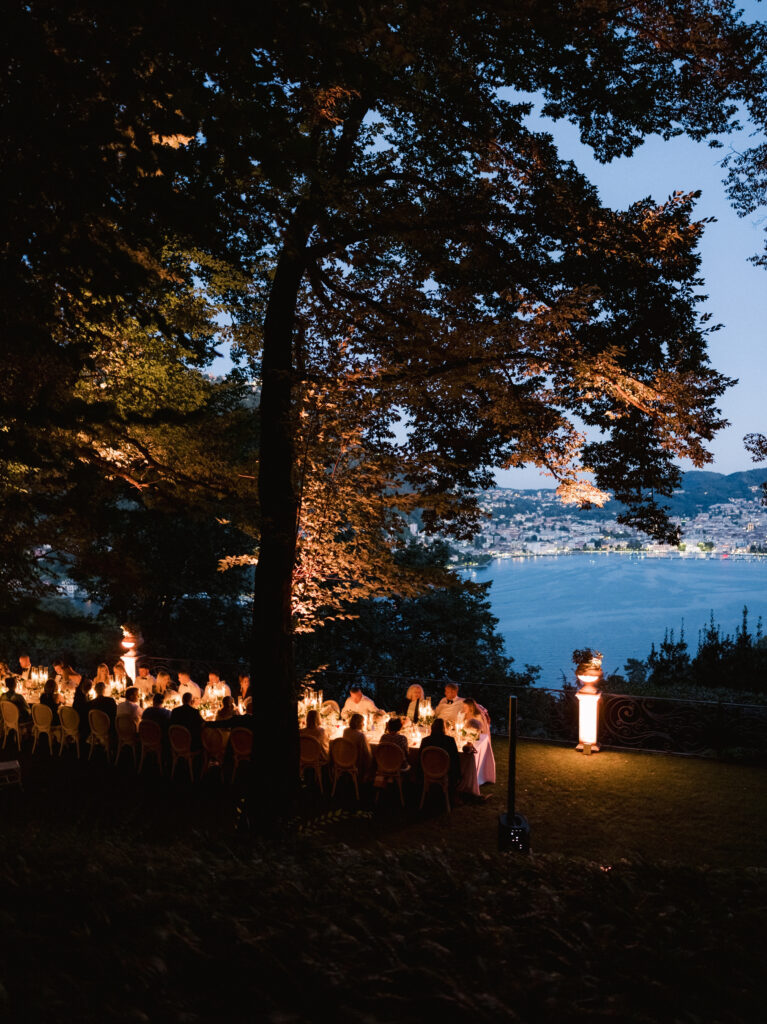
Defining the vision: where to start Before getting into the practical details, every couple should take the time to imagine the wedding of their dreams. This is not only about choosing colors and decorations, but about defining the atmosphere you want to create and the message you want to convey. Contemporary celebrations have seen a profound transformation: there is no longer a single model to follow, but endless possibilities that reflect the couple’s authenticity. That is the common thread: personalization that tells a true story, not a copy of what you see in magazines. A few questions can help you find your way: do you prefer an intimate atmosphere or a big party? Do you want a formal or informal wedding? What values do you want to communicate through your celebration? The answers to these questions will guide every subsequent choice, from the budget to the venue, from the menu to the service. The budget: a solid foundation for building the dream Talking about money when planning a wedding may seem prosaic, but setting a realistic budget from the start is essential to avoid stress and disappointment. The reception traditionally represents the largest cost item, often accounting for about 40-50% of the total budget. The key is to allocate resources intelligently, devoting more generous budgets to the elements that truly make a difference for you, and scaling back other aspects more modestly. Catering has a significant impact on the overall budget, but it is also the investment that most directly influences the guest experience. A good rule is to devote a substantial portion of the reception budget to food and beverage service, bearing in mind that the quality of the food and the service are what people remember longest after the event. Choosing the venue: where the dream takes shape The venue is much more than a physical space: it is the frame that defines the wedding’s style, the atmosphere you breathe in, and the creative possibilities available. Contemporary trends favor authentic and meaningful choices, with particular attention to sustainability and a connection to the territory, and in this Spuma is a forward-looking partner. Historic villas and charming estates Historic venues continue to be an outstanding choice for those who want an elegant and refined wedding. In Italy, the richness of the architectural heritage offers extraordinary settings that combine beauty, history, and functionality. On Lake Como, for example, you will find some of Italy’s most evocative venues. Villa Balbiano is a perfect example of a historic residence able to combine architectural magnificence with contemporary hospitality, while Villa del Balbianello, with its spectacular position on the Lenno promontory, offers breathtaking views that have also served as the backdrop for major international film productions. For those seeking more intimate yet equally refined atmospheres, Villa del Grumello and Villa Noseda offer compact spaces that are perfect for smaller celebrations, without giving up the charm of historic residences. Urban and contemporary spaces Cities offer interesting alternatives for those who want a wedding with a more modern character. In Milan, venues such as Via Stampa are the perfect synthesis of urban elegance and flexible spaces, ideal for those who want a contemporary wedding in the heart of the city. For those seeking the solemnity of theatrical settings, the Sala Bianca del Teatro Sociale on Lake Como turns the wedding into a true theatrical experience, where every moment takes on a distinctive scenic dimension. Exclusive destinations The destination-wedding trend is now well established: getting married in dream locations makes it possible to turn the wedding into a complete experience for the couple and their closest guests. Villa Astor in Sorrento perfectly embodies this spirit, offering the magic of the Amalfi Coast with the privacy of an exclusive residence. For those who dream of even more unique atmospheres, venues such as Cava Puglia in Ostuni allow you to celebrate in spectacular natural settings that become an integral part of the day’s storytelling. The extended experience: multi-day weddings More and more couples choose to extend the celebration over several days with pre- and post-ceremony events. A welcome dinner the evening before, a post-wedding brunch, organized activities for guests arriving from afar turn the wedding into a truly shared experience. This format is especially appreciated for destination weddings, where guests have traveled specifically for the celebration and want to make the most of the time together. A versatile catering partner can support this approach with different proposals for each moment: from an informal welcome dinner to a relaxed brunch the next day, every occasion has its own character and its own needs. The choice of venue directly influences catering possibilities: every space has its logistical characteristics, from available kitchens to access routes, from capacity to structural constraints. For this reason, it is essential that catering and venue work in synergy from the earliest planning stages. Catering: the protagonist of the experience If the venue is the frame, catering is the heart of the reception experience. It is not simply about feeding guests, but about creating authentic moments of sharing through food, service, and attention to detail. Finding the right partner Choosing the caterer is a strategic decision that goes far beyond simply evaluating the menu. A professional catering team understands the dynamics of the event, adapts to the rhythm of the day, and knows when to be present and when to remain discreet. In the search for the ideal partner, a few elements are fundamental: the ability to listen and tailor proposals, specific experience in the wedding sector, flexibility in adapting to special requirements and logistical constraints, and transparency in communicating costs and included services. References from other couples who have already used the service are a valuable resource, as is the opportunity to attend tastings that allow you to assess the quality and presentation of the dishes firsthand. A good indicator of a caterer’s professionalism is the ability to propose creative solutions even when faced with budget constraints or specific needs. Building the perfect menu The wedding
GASTRONOMIC TRENDS CONQUERING EVENTS: THE EVOLUTION OF CONTEMPORARY TASTE
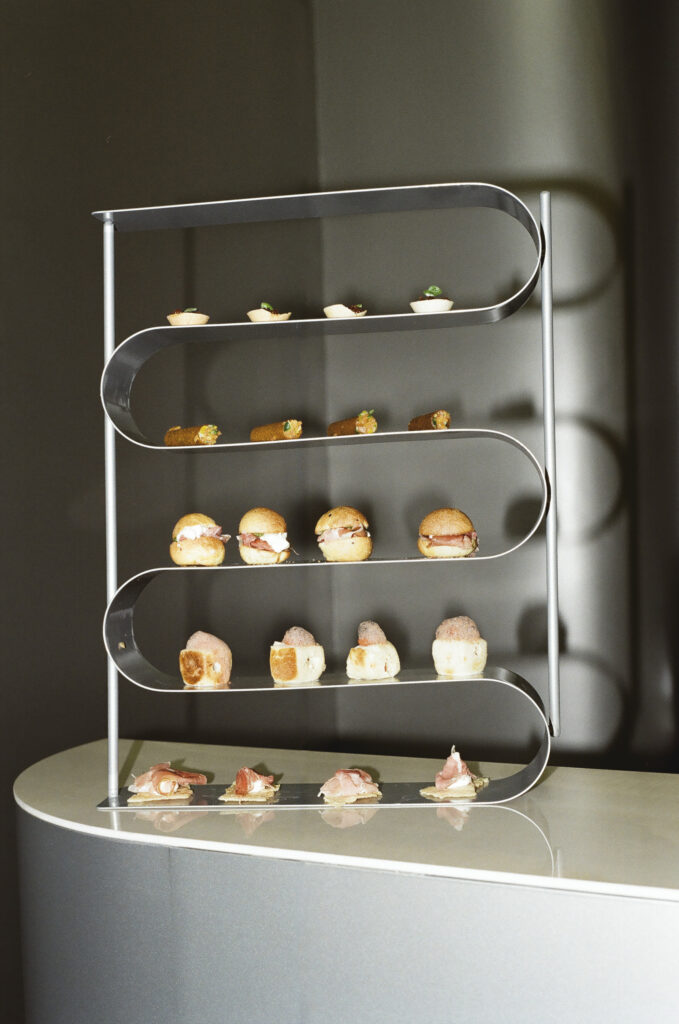
When less means more: the finger food revolution There’s a new philosophy redefining contemporary catering: that of finger food. It’s not minimalism for its own sake, but an intelligent response to the needs of the modern audience. At events where sociality and interaction are central, micro-portions allow guests to taste multiple proposals without feeling heavy, maintaining energy and concentration, and enabling them to move freely, converse without obstacles, and experience the occasion naturally. From a culinary perspective, they offer the opportunity to compose varied taste journeys: six, eight, ten different tastings that tell a story through contrasting flavors, textures, and temperatures. This choice also responds to a growing sensitivity toward sustainability: calibrated portions mean less waste, greater attention to the quality of each ingredient, and the possibility to experiment without fear of oversizing quantities that would remain uneaten. The world in a bite: contaminations that open horizons Globalization has transformed our palate: gastronomic contaminations are no longer a niche trend, but a necessity when audiences come from diverse cultures and bring with them varied expectations and references. We’re talking about cuisine that weaves traditions together with respect and curiosity. Tuna pizzaiola is renewed with dehydrated olive, caper powder, and tomato mayonnaise, while amberjack reinterprets panzanella through sweet and sour onion and crispy bread leaves. Not confused fusion, but authentic dialogue between gastronomic worlds that mutually enrich each other. For an American or English audience participating in events in Italy, these contaminations create a bridge: the possibility of recognizing familiar elements in a new context thanks to finger food, or discovering Mediterranean flavors through preparations that recall Italian culinary tradition. It’s cultural inclusion through food, where each guest finds something that makes them feel welcomed. Plant-based cuisine beyond labels Plant-based is no longer an alternative, but a conscious choice that’s gaining space in high-profile menus. Vegetarian cuisine at contemporary events has emancipated itself from the idea of being a substitute to become an autonomous protagonist, capable of expressing complexity and refinement. We’re not talking about simple salads or side dishes elevated to main courses, but creations that value vegetables, legumes, grains, and fruits with the same attention traditionally reserved for other ingredients. Vegetarian micro-portion is born from shaped and rehydrated vegetable sheets, small plant architectures that combine technique and lightness. A mini whole-grain bread cube welcomes an avocado cream and fresh sprouts, while the potato cannoncino encloses a beetroot tartare balanced between sweetness and aromatic depth. The crispy potato gnocchetto, scented with saffron and vanilla, reveals a heart of lime honey, demonstrating how plant-based cuisine can be simultaneously refined, surprising, and deeply sensorial. This evolution responds to an increasingly broad audience: not only those who follow vegetarian or vegan diets for ethical reasons, but also those seeking lightness without sacrificing taste, those exploring new culinary experiences, those appreciating the creativity needed to make plant ingredients shine. For quality catering that wants to be recognized, it means designing proposals where plant-based dialogues with the rest of the menu without hierarchies, creating an inclusive offering that doesn’t isolate but integrates. Conscious wellness at the table There’s a new attention to the relationship between what we eat and how it makes us feel, an attention that has transformed the very concept of healthy cuisine. It’s not about renouncing pleasure in the name of virtue, but discovering how taste and wellness can coexist harmoniously. Ingredients rich in beneficial properties enter menus naturally: quinoa and ancient grains bring interesting textures as well as nutritional value, goji berries and pomegranate add chromatic notes and natural sweetness, turmeric and fresh ginger give character without needing excess. The key lies in integrating them wisely, without transforming the dish into a list of “functional foods” but creating taste harmonies where each element makes sense. This sensitivity is also reflected in preparation techniques: cooking methods that preserve organoleptic qualities and nutrients, natural reductions that avoid superfluous fats, balances that satisfy the palate without weighing it down. For those organizing high-caliber events, it means offering guests the possibility of enjoying a complete gastronomic experience while feeling good during and after, without that sensation of heaviness that often accompanies formal meals. The result is cuisine that respects guests’ intelligence: they can recognize when a dish is thoughtfully designed for their overall well-being, and they appreciate this form of attention without needing it to be declared or emphasized. Presentation as visual language Contemporary gastronomic trends also live through aesthetics. Finger food requires careful presentation where every detail counts: the dish becomes a small work of art that’s appreciated first with the eyes, then with the palate. Cultural contaminations are expressed visually through unexpected chromatic combinations, arrangements that recall different traditions, decorative elements that suggest distant geographies. And it’s particularly color that makes the difference, especially in the food/beverage pairing: when a guest or brand wants to tell their story and values, personalization through visuals becomes a distinctive element. This is why the visual dimension isn’t superficiality, but an integral part of communication: when celebrating an important occasion, every element contributes to building a coherent atmosphere, and the table also tells who we are and what we want to convey. Mixology: the art of beverage as experience Beverage has ceased to be a simple accompaniment to become an integral part of the gastronomic narrative. Contemporary mixology brings to quality events the same artisanal attention reserved for cuisine: fresh and seasonal ingredients, precise techniques, presentations studied in minute detail. Iconic cocktails continue to be part of the gastronomic experience, designed to enhance the food they accompany: an element that pairs well with fish for its dry notes, a cocktail more suited to spicy and bold flavors, or a mix of ingredients for sweeter notes. And sometimes it’s not just about signature cocktails, but about building personalized taste journeys. Particularly interesting, for example, is the growing attention toward high-profile non-alcoholic proposals: no longer simple alternatives, but autonomous creations with the same complexity and care as traditional cocktails. Botanical distillates without alcohol, flavored kombuchas, shrubs based on
THE ART OF CREATING UNFORGETTABLE CORPORATE EVENTS: WHEN CATERING MAKES ALL THE DIFFERENCE
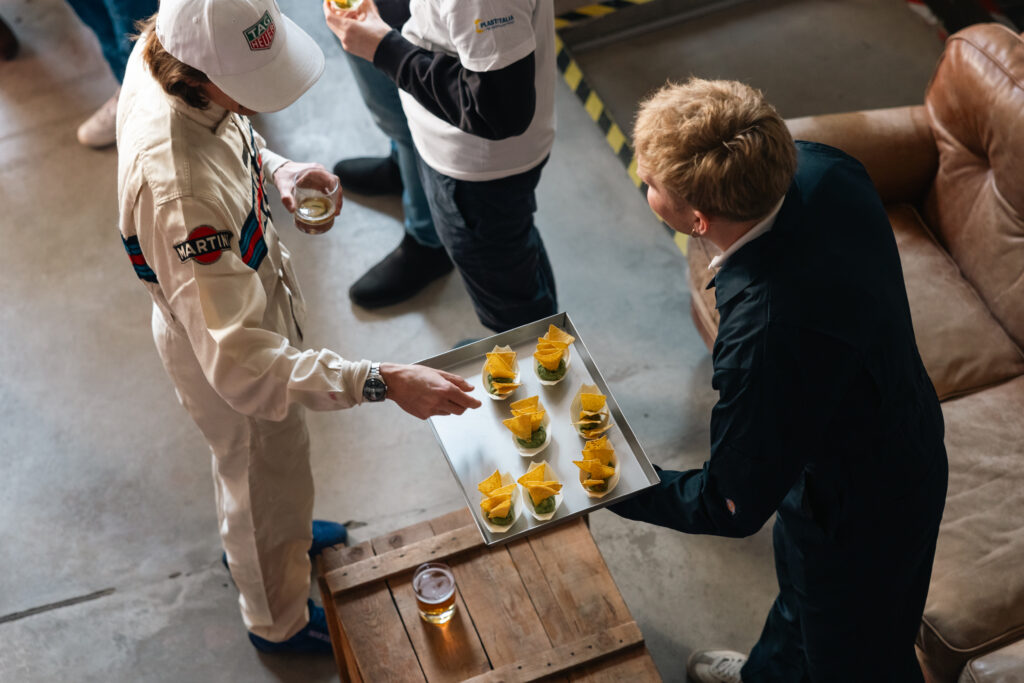
Knowing your audience and purpose Every event begins with a specific goal: to present a project, celebrate a milestone, or strengthen relationships. The first step is understanding who your guests are and what they expect from the occasion. An executive meeting requires a very different approach from a large-scale convention; a gala dinner follows completely different dynamics than an informal cooking class or masterclass. Understanding the context allows you to fine-tune every choice — from the menu to the style of service. Catering as a strategic partner The harmony that makes the difference A professional catering service does more than serve food — it understands the dynamics of the event and adapts to them. It knows when to take center stage and when to stay discreet, when to spark conversation with a cocktail, and when to step back during key moments. This harmony comes to life through personalized experiences: adapting to the client’s needs is the cornerstone of delivering quality service in every sense. Authentic Personalization Every company has its own identity, and every event its own character. A truly bespoke catering service captures these nuances through thoughtful choices — from the dishes and presentation to the service style and visual details — all shaped through dialogue with the client to turn each occasion into something special. It doesn’t take extravagant menus, but rather the right proposal for the right moment. Sometimes it’s the understated elegance of a refined aperitif; other times, the warmth of an informal buffet or the excitement of a live cooking experience. The essential elements of a quality menu An exceptional catering service can be recognized by the perfect balance of three essential elements. Quality always begins with ingredients — carefully selected products, preparations that balance tradition and creativity, and presentations that convey professionalism without ever feeling forced or artificial. At the same time, inclusivity and innovation must be built into the very design of the menu, turning diverse dietary needs — from vegetarians to gluten-free guests — into opportunities to enrich the offering rather than challenges to overcome. Finally, service is the invisible framework that supports the entire experience: a team that moves effortlessly through the space, understands the rhythm of the event, and knows when to step in to meet every need — and when to step back to let key moments unfold naturally. The added value: creating connections A culinary experience holds a special kind of magic: it breaks down formal barriers, sparks conversation, and fosters genuine connections. Often, a thoughtfully organized cocktail reception — where atmosphere, cuisine, and conversation blend effortlessly — can inspire far more meaningful interactions and professional exchanges than hours of formal presentations. Professional catering understands this dynamic and uses it strategically, creating the right conditions for people to come together, interact, and share ideas and experiences — along with great food. A lasting experience At the end of a successful event, what lingers is the overall impression of the experience. The aroma of a particular dish, the elegance of its presentation, the attentiveness of the service — these are the details that settle in memory and shape the overall perception. Catering that works in synergy with the event organization can transform a simple business occasion into a moment of genuine human and professional connection. That’s why choosing a reliable, tailored catering service, like Spuma, means ensuring that every gastronomic and beverage detail aligns with the event’s goals, that service supports the program without interference, and that the event leaves a positive, lasting impression. How is this achieved? Simply by working hand in hand. In a market where attention to detail makes all the difference, catering becomes a powerful tool for standing out. It’s not just about feeding guests — it’s about nourishing relationships and future opportunities.
THE SECRET BEHIND A MEMORABLE CATERING EXPERIENCE

Beyond the concept of Luxury Today it’s no longer enough to speak about luxury, because even a simple plate of pasta with tomato sauce can become unforgettable if it tells a story. What truly defines a high-level experience is the attention with which every detail is conceived, crafted, and served. It’s not about labels. It’s about the ability to transform each course into a memory, each toast into a shared moment, and every event into something unique. The Five Pillars of Excellence 1. Ingredients: quality you can taste Choosing ingredients is a conscious act, one that speaks of history, territory, and passion. It’s not about collecting expensive items, but about selecting authentic, traceable products full of identity. Olive oil from centuries-old groves, cheeses aged in natural caves, vegetables harvested at dawn in local markets, meats from ethical farms. Sophistication doesn’t necessarily mean exotic or rare. Often, the most valuable ingredients are local, prepared with traditions that respect the product. At other times, it may involve sourcing special items upon request, to deliver a truly tailored experience. The result? A flavor you don’t forget, recognizable from the very first bite—genuine and unmistakable. 2. Tools: technology serving taste The success of high-quality catering can also be measured in the precision of its tools. A Berkel slicer that cuts with surgical accuracy, professional knives that keep their edge, pots that balance heat with consistency, coffee machines that extract the perfect aroma—these aren’t just functional supports, but visual and technical protagonists of the service. Technology at the service of ingredients ensures consistency, efficiency, and quality—values that can be perceived in every dish. 3. The Art of the Invisible Outstanding catering is also recognized by what guests don’t see: logistics flowing seamlessly, timing orchestrated down to the second, every technical detail managed smoothly and silently. No misplaced waits, no surprises: every move is studied, every possibility anticipated. Professionalism becomes evident precisely when everything runs naturally. It’s the behind-the-scenes balance that allows guests to experience only the best of the event: the here and now. 4. People: image, training, passion The team is the beating heart of every event. Every member—chefs, servers, bartenders—must present themselves as a cohesive group, communicating care and style from the very first impression. But appearance is just the beginning: competence must follow. In-depth knowledge of the menu, confidence in pairing choices, relational skills, and empathetic attention are the qualities that elevate service from polite to extraordinary. Behind each perfectly timed toast, behind every detail anticipated in advance, lies continuous training and the passion of people who make excellence their daily standard. 5. Personalization as a Differentiating Element In catering, a tailor-made approach sets itself apart from standardized offerings. Instead of relying on a predefined catalog, the service can be built around the event’s concept and moodboard, translating the idea into every detail: from finger food created for the occasion, to a custom cocktail list, to design elements like personalized trays, finger-food holders, and coordinated uniforms. It’s this customization that turns a menu into a unique, coherent experience aligned with the spirit of the event. Spuma: an Experience Beyond Food An event created by Spuma is a point of connection: it doesn’t just provide food and cocktails, but builds a complete experience. Refined atmosphere, discreet coordination, a presence that is subtle yet empathetic. Catering becomes a narrative, where each dish has a story, every ingredient an origin, and every preparation a technique to be revealed with elegance and transparency. Its true value lies in coherence: between image and substance, promise and delivery, values expressed and actions performed. For Spuma, catering is a relational art: it listens, proposes, and accompanies. It makes every guest feel unique, and every event unforgettable. It’s the experience that lasts-long after the last plate.